WhatsApp AI agent
An AI assistant on WhatsApp that answers in seconds, qualifies the enquiry, and hands you a lead — while being structurally incapable of touching anything private. Not because we told it not to. Because the assistant your customers talk to has no memory, no file access and no tools at all. This is the pattern we run in our own business.
- Services
- AI Adoption for SMEs · Systems & Integrations
- Engagement
- Pattern we run ourselves · 2026
- Where it stands
- Live on our own number — the setup described below
Every small business with a phone number has the same problem: enquiries arrive at all hours, and most are the same five questions. A nail salon fields "open on Sunday?", "how much for gel?", "can I get 3pm?". A tuition centre fields "do you have P5 maths?" and "when's the trial class?". An insurance or property agent watches leads go cold because the reply came four hours too late.
The obvious fix is an AI assistant on WhatsApp. The obvious fear is what it might say — or what it might give away.
A prompt is not a boundary
The instinct is to tell the AI what not to do: don't quote prices, don't discuss other clients, stay on topic. But an instruction is a request, not a constraint. If the assistant can reach a tool or a memory, a determined — or merely curious — customer can usually talk their way to it.
The assistant that's useful to you knows too much to meet a stranger
The assistant worth having internally is the one wired into your calendar, your files, your customer history. That is exactly the assistant that must never face the public. Most setups run one bot and switch personality by prompt — one process, holding both jobs, one clever message away from confusing them.
Speed is the whole value — right up until it isn't
A lead answered in thirty seconds converts; a lead answered tomorrow is gone. But an assistant that invents a price, promises a slot you don't have, or repeats something private costs more than the lead was worth.
Don't tell the assistant to keep a secret. Build it so it never had the secret.
The shape we run on our own number, and the one we'd deploy for yours: two assistants, one phone number, and a wall between them that isn't made of words.
Split the jobs into separate processes
The customer-facing assistant and your private assistant aren't two personalities on one bot. They are two isolated instances, with separate homes on disk. They share one phone number — your customer sees one business — but they are separate programs that cannot see each other.
Remove the capability, don't ask for good behaviour
The public assistant runs with no memory, no file access, no code execution, no calendar, no email. Not switched off by instruction — never wired in. There is no message a customer can send that makes it read a file, because it has no file tool to reach for.
Give it one narrow job, and a script
Greet, get a name, ask one or two qualifying questions, offer a single suggestion, hand over to a human, confirm a contact number. A handful of messages, not thirty. Narrow scope is itself a safeguard: an assistant with one job has fewer ways to go wrong.
Move the data across a wall you control
Because the public assistant has no access to your systems, it cannot file a lead into your spreadsheet — so it doesn't. A separate scheduled script reads the finished conversations and does the writing: the lead lands in your sheet and pings your phone. The AI handles the conversation; plain code moves the data.
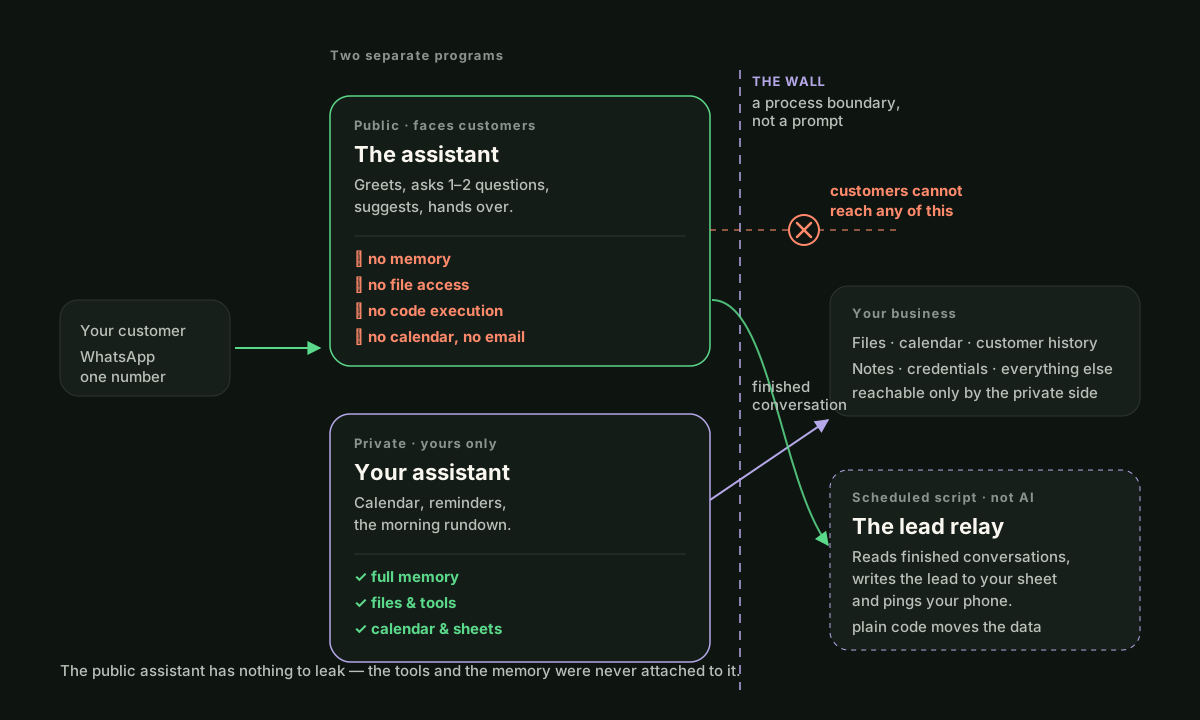
For a small business, the working shape looks like this:
- One WhatsApp number — the one your customers already message.
- A public assistant that replies instantly, in your voice, at 11pm on a Sunday — and knows only what you'd happily publish.
- A private assistant for you alone — calendar, reminders, a morning rundown — that no customer can reach.
- Qualified leads landing in a spreadsheet and on your phone: name, contact, and what they actually want.
- A conversation that ends with a human, by design. The assistant qualifies. You close.
For a salon, a clinic, a tuition centre or an independent agent, this assistant does the job a receptionist would do — if you could afford one at 11pm on a Sunday. Answer, qualify, capture, hand over.
The reason to care about the architecture is that the cheap version of this — one bot, one prompt, "please don't mention X" — is the version that eventually says something you have to apologise for. Isolation isn't a premium feature. It's the difference between a tool you can leave running and one you have to babysit.
Sounds like your business?
Tell us what you're dealing with — a similar problem, a different one, or an idea of your own. It takes a minute, and it goes straight to Gordon.
More work
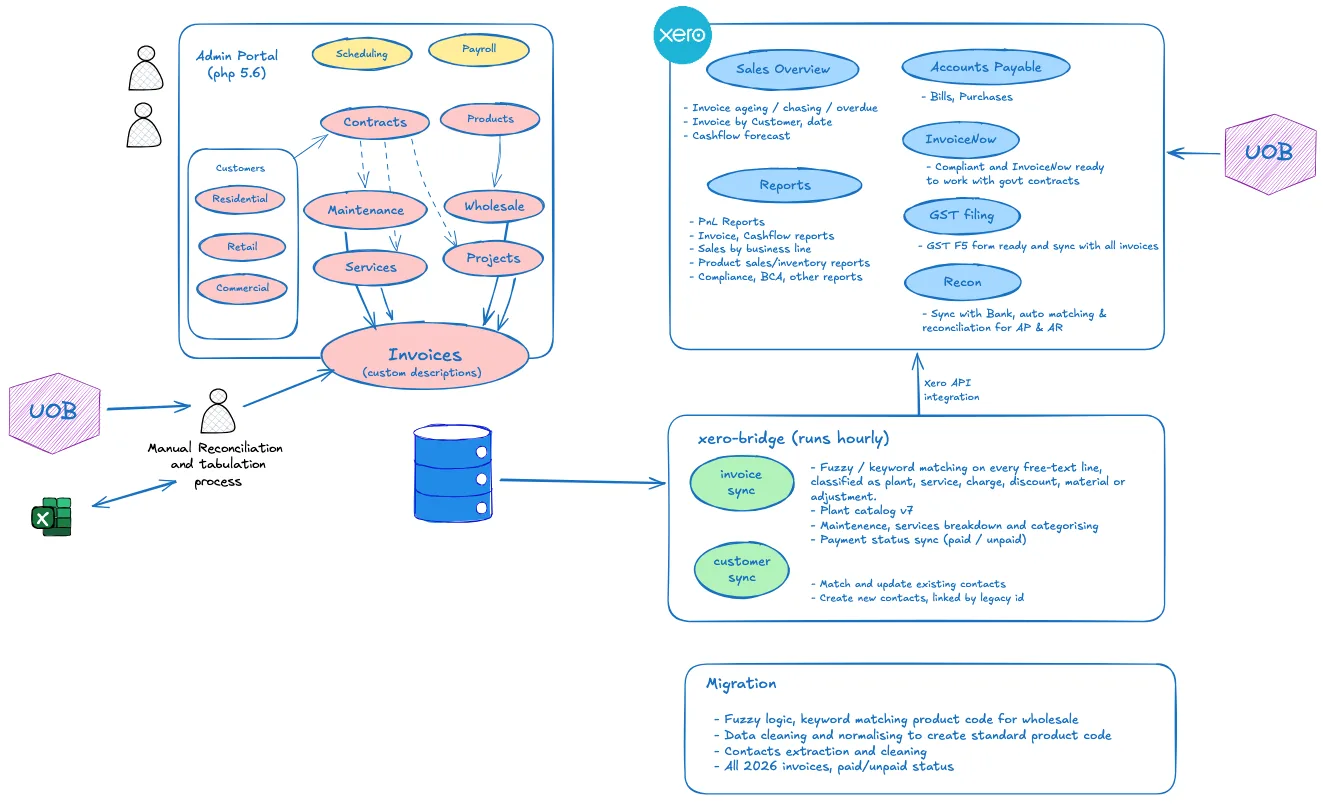
Xero + InvoiceNow integration
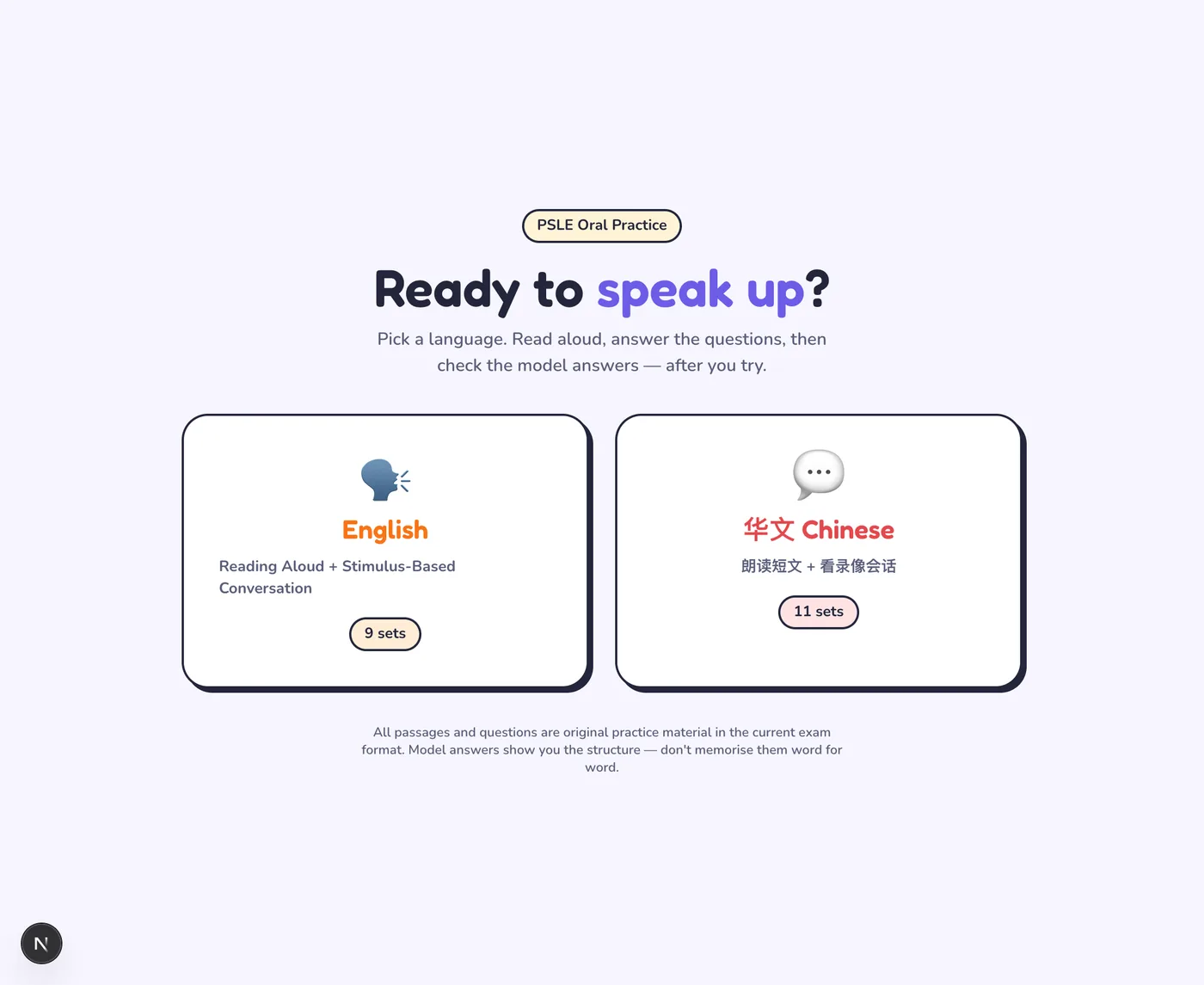
PSLE AI oral practice app
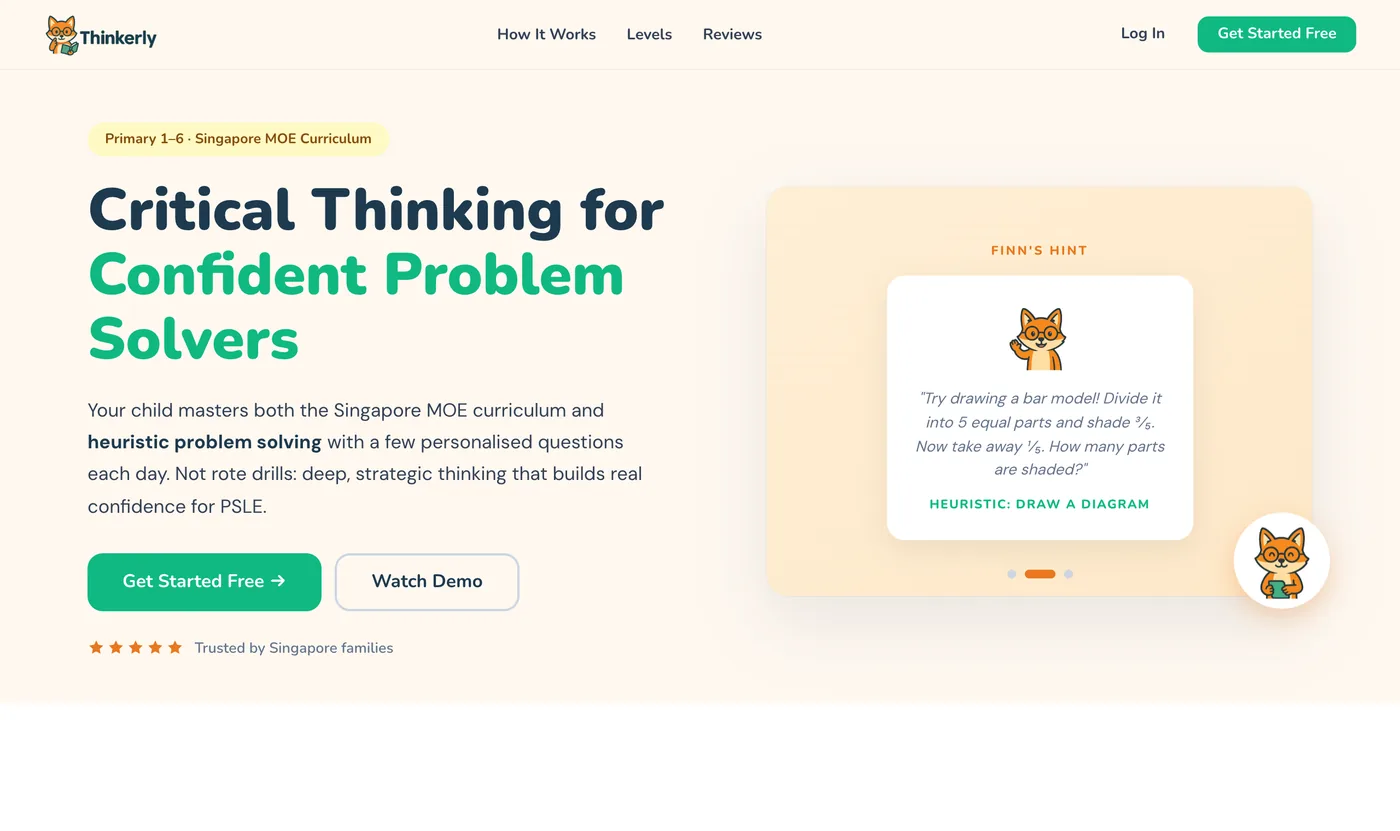
Maths learning app, built from scratch